The Role of Humane Wild Animals Removal in Protecting Citizen Ecosystems
Humane wildlife elimination is not just a moral factor to consider but an essential part in securing neighborhood ecosystems. By prioritizing non-lethal methods, it addresses the fragile equilibrium between human development and wild animals environment preservation. This strategy not just minimizes problems yet also makes certain the sustainability of biodiversity. Yet, the efficiency of these techniques warrants even more assessment, especially in urban setups where human-wildlife communications are increasingly complex. As we consider the ramifications of our approaches and their effect on eco-friendly harmony, one must wonder about just how these methods can be optimized to foster an extra symbiotic relationship with nature.
Understanding Human-Wildlife Conflicts
Human-wildlife problems commonly emerge when the natural environments of pets intersect with human tasks, leading to competitors for sources and room. As urbanization and farming development proceed to encroach upon wild animals areas, animals such as raccoons, deer, and prairie wolves find themselves in closer closeness to human populations. This closeness can cause damaging impacts on both wild animals and humans, as animals might trigger damages to crops, framework, and individual residential property while human beings may unintentionally damage wild animals with environment destruction and other anthropogenic stress.
The intricacy of these problems comes from a selection of aspects. Adjustments in land use, environment modification, and the fragmentation of communities frequently require wild animals to adapt to brand-new atmospheres, sometimes leading them right into industrial or residential locations. In addition, the accessibility of human-generated food resources, such as trash and pet dog food, can attract wild animals to human settlements, intensifying interactions and prospective conflicts.
Dealing with human-wildlife disputes calls for a nuanced understanding of animal habits, environmental characteristics, and socio-economic factors to consider. By examining these policymakers, communications and preservationists can establish methods that intend to mitigate problems while preserving biodiversity and preserving ecological balance. The objective is to foster coexistence and lessen negative effects on both human neighborhoods and wild animals populations.
Value of Non-Lethal Methods
Alleviating human-wildlife disputes demands strategies that focus on the well-being of both animals and human beings. Non-lethal methods of wild animals elimination embody this values by providing remedies that stop damage to wildlife while resolving human concerns. These approaches consist of exemption strategies, environment modification, and using deterrents to dissuade wildlife from entering human environments (wildlife removal Burlington). By using such methods, we can manage wild animals interactions without turning to lethal actions, therefore protecting animal populations and lowering moral worries associated with murder.
These methods typically confirm more effective in the lengthy term, as getting rid of specific animals can produce a gap that is rapidly filled up by other members of the species or various species entirely. This can lead to a cycle of recurring elimination efforts, whereas non-lethal deterrents deal with the origin causes of wild animals visibility.
In addition, non-lethal approaches foster conjunction by informing the general public regarding wild animals actions and encouraging harmonious living techniques. This understanding can cause much more lasting human-wildlife interactions, ultimately guarding both community passions and animal well-being.
Advantages for Biodiversity
When non-lethal wildlife removal techniques are utilized, they add significantly to biodiversity preservation. By making sure the risk-free moving of animals instead of their removal, these techniques keep ecological balance and secure the honesty of ecosystems. Humane strategies minimize interruptions to regional animals, allowing native varieties to grow. This preservation is crucial as each species plays an unique role, commonly as pollinators, predators, or victim, which jointly sustain community capability.
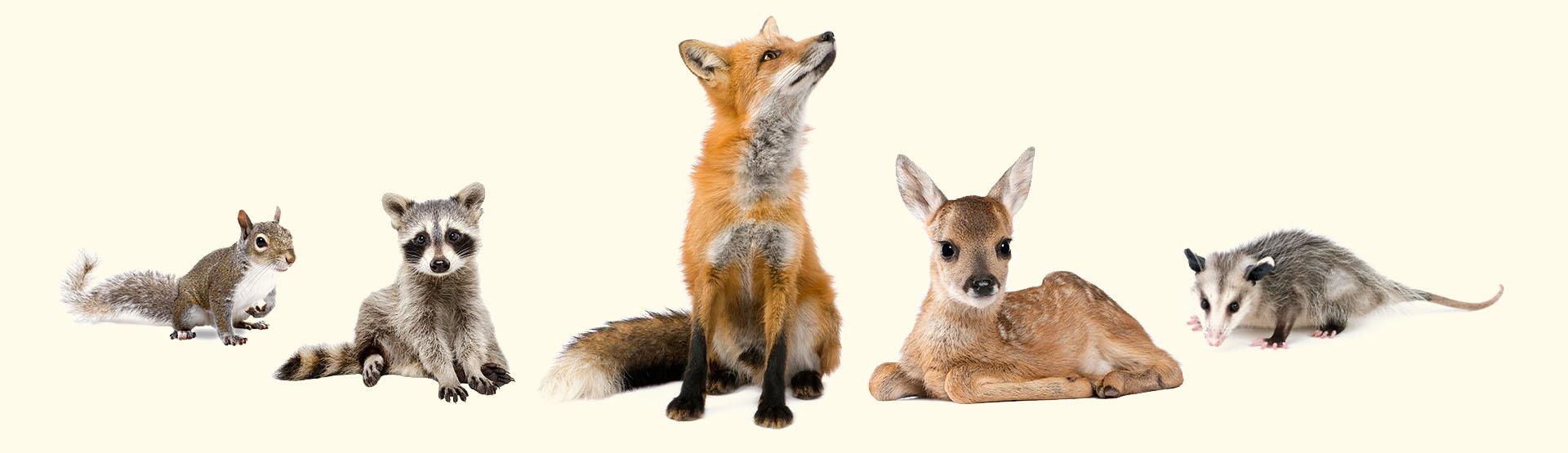
Furthermore, these approaches foster coexistence between humans and wildlife, decreasing unfavorable interactions and maintaining the rich tapestry of life that identifies biodiverse regions. This strategy urges a deeper understanding and regard for wildlife, cultivating neighborhood support for preservation efforts. Inevitably, gentle wild animals removal is a crucial part in securing biodiversity, ensuring ecological communities continue to be functional and vivid for future generations.
Techniques for Reliable Removal
Implementing reliable strategies for humane wild animals elimination requires a thorough understanding of pet actions and environment requirements. This expertise functions as the foundation for establishing methods that make certain the risk-free and ethical relocation of wildlife. One primary method involves carrying out complete evaluations of the damaged area to identify the species existing and the details challenges they posture. This analysis assists in developing tailored techniques that decrease tension and harm to the pets.
Another crucial method is using exemption strategies, which concentrate on sealing access points to protect against pets from returning to frameworks. This approach not only deals with the instant issue yet likewise works as a long-term solution, lowering future disputes in between people and wild animals. Furthermore, using safe deterrents and repellents can encourage animals to abandon locations voluntarily, complementing various other removal initiatives.
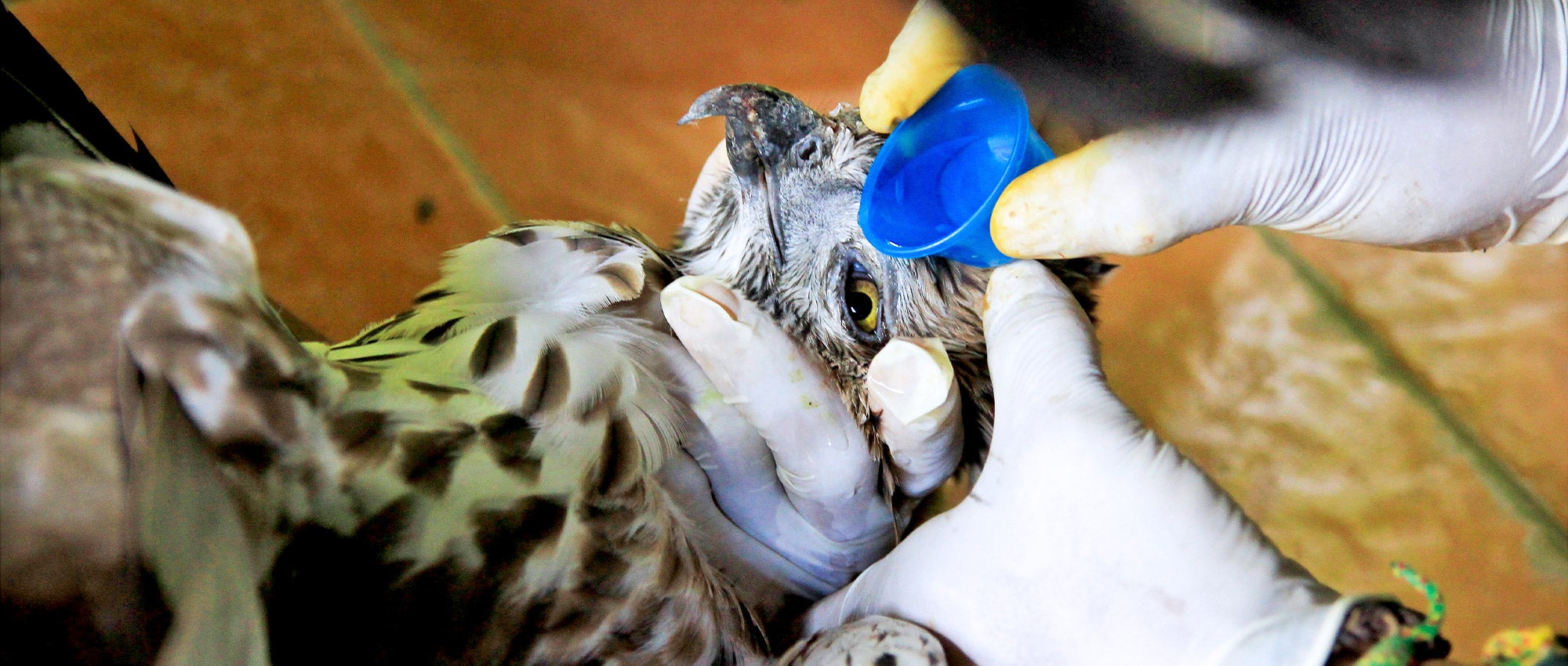
Capture and moving see here must constantly be a last hope, used only when pets posture a direct hazard or are not able to leave on their own. In such instances, utilizing gentle traps and read more ensuring the release of animals in ideal habitats are vital to safeguarding their welfare. Cooperation with wildlife professionals and adherence to lawful policies additionally improve the effectiveness of these methods.
Encouraging Conjunction in Urban Areas
Promoting conjunction in urban areas requires a diverse method that stabilizes human development with the needs of local wild animals. Urban organizers and policymakers need to integrate environment-friendly areas, such as parks and wildlife passages, into city designs to give habitats for native species. burlington wildlife rescue.
Education and learning and awareness projects are crucial in cultivating a society of coexistence. Homeowners require to comprehend the value of wild animals and the function they play in regional ecological communities. Workshops and educational sessions can equip communities with expertise on how to lessen conflicts, such as safeguarding trash and utilizing gentle deterrents to stop wild animals invasion.
Furthermore, modern technology can play a substantial function in promoting coexistence. Making use of wild animals surveillance systems, as an example, can aid track pet motions and educate metropolitan planning choices. Partnerships in between ecological organizations, city governments, and neighborhood teams can further enhance these initiatives, ensuring that city advancement proceeds sustainably while respecting the eco-friendly balance.
Verdict
Humane wild animals removal is important for maintaining eco-friendly equilibrium and biodiversity by employing non-lethal methods that lower injury to animal populations. Recognizing human-wildlife conflicts and executing approaches such as exemption strategies and habitat modification can efficiently handle these experiences. Such techniques support the conservation of native types and their habitats, improving area engagement and understanding. Eventually, advertising coexistence in metropolitan locations fosters an unified check here relationship between human beings and the natural atmosphere, making certain lasting environments for future generations.
As urbanization and agricultural expansion continue to intrude upon wildlife territories, pets such as raccoons, coyotes, and deer discover themselves in closer distance to human populaces. Non-lethal techniques of wild animals removal personify this principles by giving options that protect against harm to wild animals while dealing with human concerns. By utilizing such methods, we can handle wildlife communications without resorting to deadly procedures, therefore preserving animal populations and lowering ethical problems linked with killing.
Implementing reliable strategies for gentle wild animals elimination calls for a thorough understanding of animal actions and environment needs.Humane wild animals removal is important for preserving eco-friendly equilibrium and biodiversity by employing non-lethal approaches that minimize harm to pet populaces.